
- posted: Aug. 08, 2025
Swimming pools serve as hubs for relaxation, exercise and cooling off on hot days. However, their use carries a potential for accidents, the consequences of which can be devastating. It’s important to understand the varied causes of pool-related injuries and which persons or entities may be liable.
The following are the most frequent types of accidents in and around swimming pools:
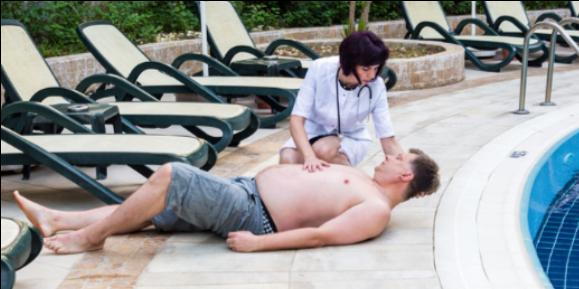
Drowning and near-drowning — The Centers for Disease Control and Prevention (CDC) reports that over 4,000 people die from unintentional drownings in the U.S. each year, with a staggering 80 percent of these tragedies involving residential pools. Children are particularly at risk. Further, near-drowning incidents can inflict permanent brain damage from oxygen deprivation.
Diving accidents — Whether from a diving board or the side of pool, a plunge can cause serious injuries, including brain or spinal cord damage. A swimmer diving into a shallow end can strike the pool floor. Even a dive into deeper water can do harm depending on how the person hits the water. Such accidents may stem from a lack of clear depth markers, insufficient warning signs or improperly installed diving boards.
Slips and falls — Perpetually wet surfaces surrounding a pool are inherently hazardous zones for slips and trips. These falls can lead to a spectrum of harm, from minor bruises to severe broken bones, head trauma and spinal injuries. Falls may result from slippery tiling, obstacles on walkways or a general failure to maintain poolside areas.
Chemical exposure — The chemicals used to keep pool water sanitary can be dangerous if mishandled. Improper application can lead to skin burns, eye damage, or respiratory distress. An over-chlorinated pool can aggravate the skin and lungs, while poorly treated water can become a breeding ground for harmful bacteria and infections.
Ensnarement — A swimmer's body, hair, or clothing can become trapped in pool drains and filtration systems. These incidents, which disproportionately affect children, can cause severe injury or drowning and are frequently due to faulty or missing safety drain covers.
Swimming pool injuries often arise from negligence, inadequate maintenance, or a lack of proper supervision. Liability might rest with the property owner, a management company or even the manufacturer or installer of the pool and its components.
Homeowners have a legal duty of care to ensure their private pool is reasonably safe. This includes crucial safety measures like enclosing the pool with a fence and a self-latching gate to prevent unsupervised access by children. They must also maintain adjacent surfaces to prevent tripping hazards and are obligated to warn guests of known dangers, such as a cracked pavement slab.
Commercial businesses that operate pools, such as hotels, fitness centers, and public recreation facilities, are held to a higher duty of care. They are expected to keep the premises safe, employ certified lifeguards, display adequate warning signage, and rigorously monitor water quality. A failure to uphold these standards can make them liable for resulting injuries.
In some cases, a third party may be at fault. A pool service provider could be liable for injuries caused by their failure to properly maintain the pool or install equipment correctly. If an injury is traced to a defective product, like a malfunctioning drain cover or an unsafe ladder, the manufacturer or distributor may be held accountable under product liability law.
If you or a loved one has been hurt in a swimming pool accident, consulting with an experienced New Jersey personal injury attorney is a critical step. An attorney can analyze the unique facts of your situation, determine if you have a valid claim for damages, and assemble the necessary evidence, including expert testimony, to establish fault and pursue the compensation you deserve.
At Brown, Novick & McKinley Attorneys at Law in Woodbury, we represent people who have suffered injuries on someone else’s property, including swimming pools. We serve clients in Gloucester County and throughout New Jersey. Please call 866-942-4909 or contact us online for a free consultation.

