
- posted: May 08, 2024
After a car accident, determining which driver was at fault is essential to an award of damages. Evidence of fault can come from witnesses and forensic evidence. In addition, the damage sustained by the vehicles involved can often give valuable clues to what transpired.
The location and severity of the impact on each car can help explain the cause of the collision and the fault of each driver. The following scenarios are illustrative:
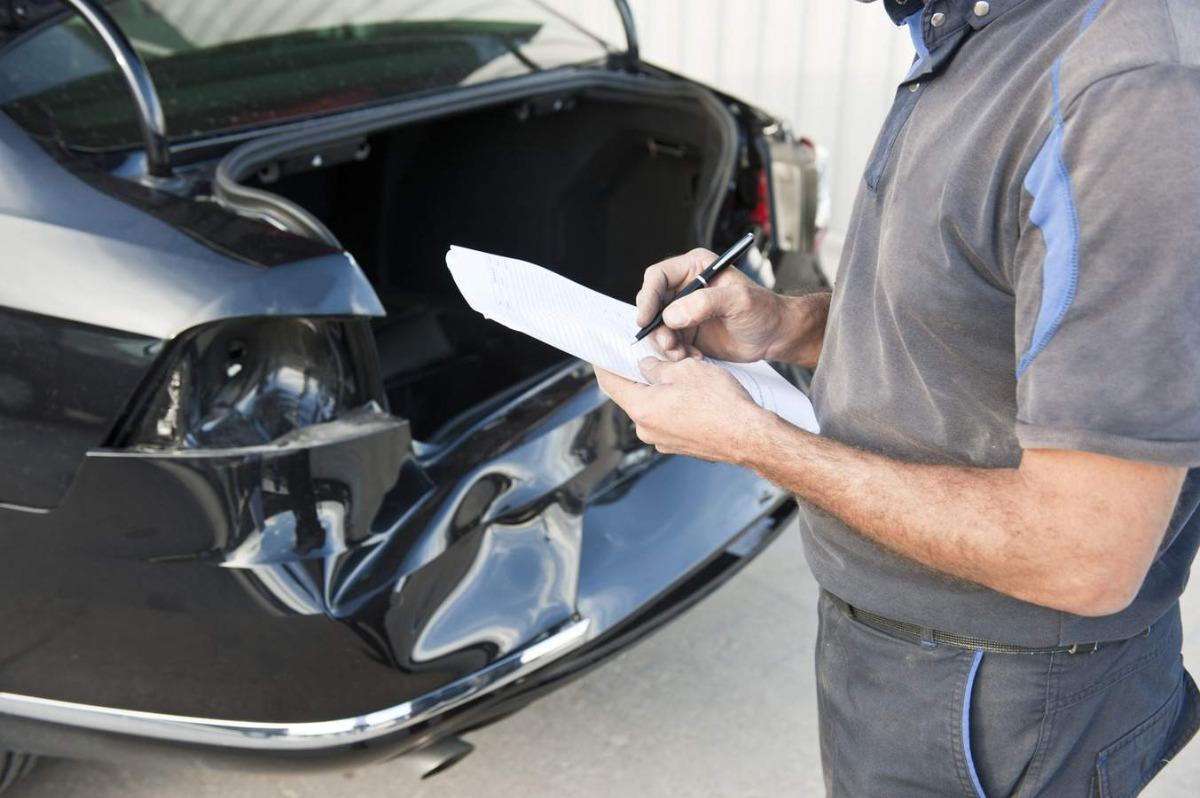
Rear-end collisions — These accidents typically result when the front vehicle slows or stops and the rear vehicle has not kept a safe following distance. The presumption is that the rear driver was mostly at fault. However, if the rear vehicle’s damage is principally to either front corner, it may indicate the front vehicle stopped abruptly and the rear vehicle’s driver attempted to avoid it. The degree of damage to both vehicles can bear on whether the rear driver was speeding.
T-bone collisions — When one vehicle hits another broadside, the position of the impact can tell a good deal about how the crash occurred. If the impact was to the struck car’s doors, it could indicate the other car ran a red light or failed to yield at an intersection. If the front end of the struck car was damaged, it could mean that driver was entering the intersection before the cross traffic had cleared. An impact to the rear end of that vehicle could mean its driver entered the intersection while the light was changing.
Left turn accidents — When a car turning left is struck by a vehicle traveling straight, the damage pattern can be indicative of fault. An impact to the front left corner or left side of the oncoming car may be the result of swerving to avoid the collision, which would signal fault on the part of the turning driver. But damage to the turning vehicle’s right side or right rear corner could indicate the oncoming car’s driver had an opportunity to avoid the accident but did not.
Vehicle damage is just one piece of the puzzle. Other forensic evidence can also be informative. Skid marks on the road can indicate where a car braked heavily or lost control. Debris scattered around the scene can reveal the direction of travel of each vehicle. Witness testimonies can be firsthand accounts of the events leading up to the crash. Combining all this evidence with a thorough inspection of the vehicle damage allows accident reconstruction experts to create an accurate description of what happened.
A skilled New Jersey automobile injury attorney can gather all available evidence, including a detailed expert analysis of vehicle damage, to build a strong case designed to maximize your recoverable compensation.
At Brown, Novick & McKinley Attorneys at Law in Woodbury, New Jersey, we have extensive experience navigating the complexities of car accident claims. If you've been injured in a car accident, schedule a free consultation by calling 866-942-4909 or contacting us online.

