
- posted: Nov. 08, 2024
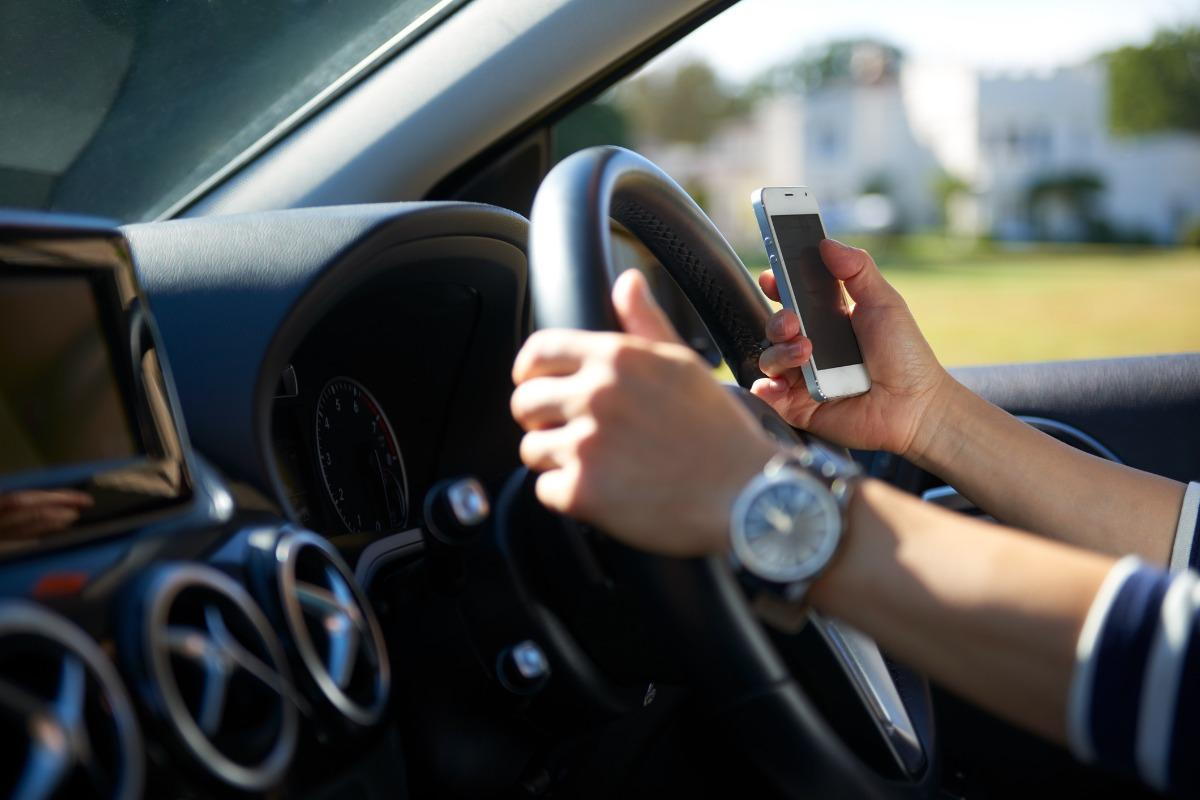
Distracted driving, especially due to cell phone use, is one of the leading causes of traffic accidents nationwide, contributing to thousands of injuries and fatalities each year. In New Jersey, where traffic density is high and roadways are frequently congested, drivers who split their attention between the road and their phones or other distractions increase the risk of collisions.
For New Jersey drivers injured in an accident, compensation is initially sought through no-fault personal injury protection (PIP) insurance. This provides reimbursement for reasonable medical expenses, lost wages and essential household services. To recover damages beyond what PIP covers, accident victims must establish that another driver was primarily at fault, which can include proving that the driver was distracted at the time of the crash.
A number of methods can be used to prove that a driver was distracted. A primary source of evidence is the police report and testimony. Police officers arriving at the scene often note important observations, such as whether the at-fault driver appeared to have been on their phone, engaged in conversation or otherwise not paying full attention to the road. If the officer concluded that the driver violated New Jersey’s law against using a handheld telecommunications device while driving and issues a citation for this violation, it reinforces the driver’s fault. Police testimony in court can also be persuasive, as an officer’s observations are often deemed credible and unbiased.
Other valuable resources in establishing distracted driving are statements from other motorists, passengers or bystanders about the other driver’s conduct before the crash. Witnesses may have seen the driver glancing down, holding a phone or exhibiting erratic behavior indicative of distraction. These statements can give a fuller picture of events leading up to the collision.
Obtaining the other driver’s cell phone records can help prove distracted driving. By subpoenaing these records, it may be possible to show whether the driver was using their phone in the minutes before the accident, either by texting, calling or using apps. If the driver’s phone usage aligns with the accident’s timing, it provides clear evidence of distraction. Cell phone companies generally release these records only under legal compulsion, so having an attorney can help ensure this essential step is completed.
Video and photographic evidence is another powerful tool. Traffic cameras, nearby surveillance footage, and even dashcam footage from other vehicles can capture the moment of the collision, sometimes showing the driver’s posture, hand position or the presence of a cell phone. Such footage can also enable accident reconstruction experts to analyze the sequence of events leading up to the collision, further validating the distracted driving claim.
An experienced New Jersey automobile injury attorney can be invaluable in building a strong case. An attorney can obtain cell phone records, secure witness statements and advocate on the victim’s behalf to ensure that all potential evidence is gathered and presented effectively.
Brown, Novick & McKinley Attorneys at Law in Woodbury takes great pride in providing residents of New Jersey with strong representation in automobile accident cases. To schedule a free consultation with one of our highly qualified lawyers, call 866-942-4909 or contact us online.

