
- posted: Oct. 08, 2024
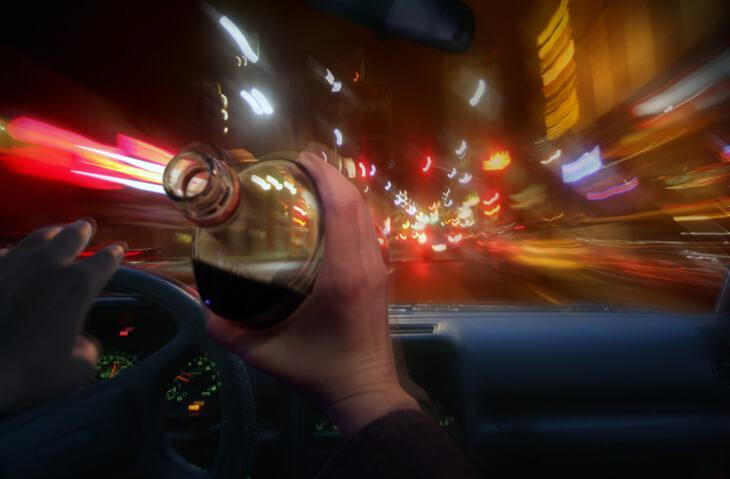
Operating a motor vehicle while under the influence of alcohol or drugs can lead to serious or even fatal consequences. In New Jersey, victims of a car accident caused by a drunk or drugged driver have several avenues to pursue damages, including the driver, their insurer and anyone whose actions contributed to the driver’s condition.
In such cases, the victim must prove that the driver’s intoxicated or impaired state led to erratic driving, reduced reaction times or poor judgment, any or all of which contributed to the collision. Evidence such as police reports, breathalyzer results, witness testimonies, and medical records can be instrumental in establishing the driver's level of impairment and its impact on their driving abilities.
A concurrent criminal case against the drunk driver can significantly aid in proving the victim’s civil case. A criminal conviction for driving under the influence (DUI) provides compelling evidence of the driver’s intoxication. This can streamline the process of establishing liability, as the burden of proof in criminal cases (beyond a reasonable doubt) is higher than in civil cases (preponderance of the evidence). The criminal case's outcome can thus bolster the victim's claim for compensation for injuries, property damage, lost wages and pain and suffering.
New Jersey’s dram shop act offers another potential source of recovery. Under N.J.S.A. 2A:22A-5, victims may hold a bar, restaurant, or other establishment liable if it served alcohol to a visibly intoxicated person who then caused an accident. Proving a dram shop claim requires evidence that the establishment knew or should have known that the patron was intoxicated and nevertheless continued to serve them alcohol. This can be supported by witnesses’ statements, surveillance footage and receipts showing the times and amounts of alcohol served. A successful dram shop claim can lead to the establishment being held partially or fully responsible for the damages, which can be especially important if the drunk driver lacks sufficient insurance coverage. A qualified DUI accident attorney can gather the evidence needed to establish dram shop liability.
When a DUI-related car accident results in a fatality, the deceased victim’s estate may pursue a wrongful death action. This legal action can recover compensation for the beneficiaries of the deceased, which can include medical expenses incurred prior to death, funeral costs, lost income, and the loss of companionship and support. The estate can also file a survival action, which allows for the recovery of damages the deceased could have claimed had they survived, such as pain and suffering endured prior to death.
At Brown, Novick & McKinley, Attorneys at Law in Woodbury, we take great pride in providing New Jersey residents with strong representation in automobile accident cases, including those caused by drunk or drug-impaired drivers. To schedule a free consultation with one of our highly qualified lawyers, call 866-942-4909 or contact us online.

